2026-11-27
Nutty, Juicy Corn: Health Benefits and Various Cooking Methods
A guide to corn's key nutrients, five health benefits, cooking methods like steaming, boiling, grilling, salads, and soup, plus tips on precautions and storage.

Hello there! Today I'd like to talk about corn. With its distinctive sweet flavor and satisfying pop, corn is a favorite among people of all ages. It makes a great snack and also works well as an ingredient in all kinds of dishes. Corn contains not only carbohydrates but also a range of nutrients, including dietary fiber, vitamins, and minerals. Let's take a closer look at which nutrients it contains and what benefits it offers.
Key Nutrients in Corn
: Corn is a cereal grain in the grass family, and it comes in many varieties, including waxy corn, sweet corn, and super-sweet corn. Taste, texture, and nutrient content vary depending on the variety.
1) Lutein and zeaxanthin
2) Dietary fiber
3) B vitamins
4) Potassium and magnesium
5) Carbohydrates
6) Antioxidant compounds, including phenolic compounds
Corn is rich in carbohydrates, which supply energy, so it's important to eat it in balance with other foods.
5 Health Benefits of Corn
1) Supports eye health
: Yellow corn contains lutein and zeaxanthin, which are carotenoids. These compounds are pigments that make up the macula, the central part of the retina. They help absorb some blue light and play a role in protecting the eyes from oxidative stress. However, eating corn alone cannot prevent macular degeneration or improve eyesight.
2) Supports gut health and bowel movements
: The dietary fiber in corn adds bulk to stool and helps promote regular bowel movements. If you don't usually get enough fiber, you can try adding corn to your meals along with plenty of water.
3) Provides energy
: Corn is rich in carbohydrates, the body's main source of energy. It makes a good snack on busy, active days or when you feel hungry between meals.
4) Helps with antioxidant activity
: Corn contains antioxidant compounds such as carotenoids and phenolic compounds. These compounds help reduce oxidative stress caused by reactive oxygen species.
5) Supports energy metabolism
: The B vitamins in corn are involved in converting nutrients such as carbohydrates into energy. Magnesium is also a nutrient needed to maintain normal nerve and muscle function.
Various Ways to Cook Corn
1) Steaming
: Place corn in a steamer and cook it through. You can enjoy its natural sweetness and texture without adding any sugar or salt.
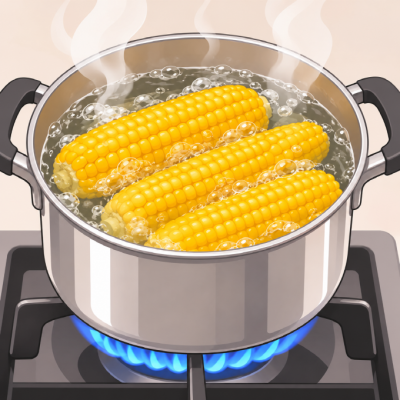
2) Boiling
: Put corn in a pot with enough water to cover it and boil until tender. It's best to use as little salt and sugar as possible.
3) Grilling
: Using an air fryer or oven brings out a nutty, toasty flavor. Adding a small amount of olive oil may also help your body absorb fat-soluble carotenoids.
4) Salads
: Cooked kernels are served alongside vegetables such as tomatoes, cucumbers, and lettuce. Using olive oil and lemon juice instead of mayonnaise is also a good idea.
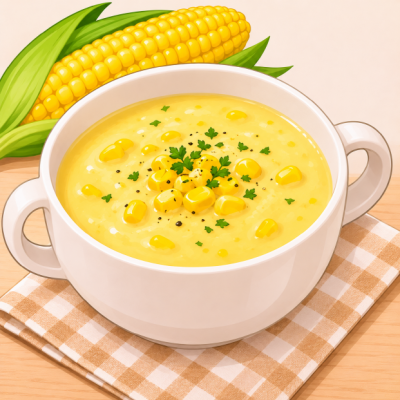
5) Corn soup
: Blend cooked kernels with milk and simmer to make a smooth soup. Using less cream or butter can help lighten the calorie load.
Precautions When Eating Corn
: Although corn contains a variety of nutrients, you should be careful not to eat too much of it. Because it is high in carbohydrates, if you have diabetes or are managing your blood sugar, it's best to account for other carbohydrate sources such as rice or bread. Eating a large amount of dietary fiber at once can also cause bloating, gas, or indigestion, so if your digestion is sensitive, cook the corn thoroughly and chew it well. Canned corn is also widely used, but it often contains added sugar and sodium, so avoid adding too much butter or sugar when cooking with it.
Fresh corn loses sweetness over time after harvest, so it's best to eat it as soon as possible. If you need to store it for a longer period, cook the corn, let it cool, portion out what you'll eat at one time, and freeze it in an airtight container or zipper bag. I hope this article was helpful.

Frequently Asked Questions
Can eating corn help with eye health?
Yes, lutein and zeaxanthin in corn can help support eye health. These two compounds are pigments that make up the macula, and they help protect the eyes from oxidative stress. However, eating corn alone will not prevent macular degeneration or improve your eyesight.
Can eating corn help with bowel movements?
Yes, the dietary fiber in corn adds bulk to stool and helps promote regular bowel movements. If you don't get enough fiber, you can try adding corn to your diet along with plenty of water. Eating a large amount at once may cause bloating or gas.
What are some ways to cook corn?
You can cook corn by steaming, boiling, grilling, adding it to salads, or making corn soup. Steaming lets you enjoy corn's natural sweetness without any sugar or salt, while grilling in an air fryer or oven gives it a nutty flavor.
Can people with diabetes eat corn?
If you have diabetes or are managing your blood sugar, it's best to account for other carbohydrate sources such as rice or bread when you eat corn. Since corn is high in carbohydrates, it's important to eat it in balance with other foods and avoid eating too much.
Is there anything to watch out for when using canned corn?
Yes, canned corn often contains added sugar and sodium. Try to avoid adding too much butter or sugar when cooking with it.
How should corn be stored?
For long-term storage, cook the corn, let it cool, portion out what you'll eat at one time, and freeze it in an airtight container or zipper bag. Fresh corn loses sweetness after harvest, so it's best to eat it as soon as possible.